
Care to Dance
Why trauma-informed teaching matters in every ISTD studio



Beth Vecchione
Beth Vecchione
Trauma-informed practice is relevant to all genres of dance – and it can transform the way ISTD teachers support their students. Whether you're working with care-experienced dancers or simply want to create a more inclusive studio, this approach helps build trust, confidence and belonging. In this interview, social worker, dance practitioner, CEO and Founder of Care to Dance, Beth Vecchione shares how small changes in tone, language and attitude can make a big impact.
Care to Dance was born in 2019 from a very personal place. At the time, I was working as a social worker and witnessing just how much instability care-experienced young people face, moving between homes and schools, navigating fractured relationships, and often waiting months or even years for the therapeutic support they need. And when that support did come, it was rarely creative or flexible enough to truly meet them where they were.
Care to Dance is a charity, led by qualified social workers and dancers, that supports care-experienced young people through dance. Our vision is for all care-experienced young people to feel a sense of belonging, freedom and connection.
As someone who has always held a deep love for both social work and dance, I knew there was another way. I’ve experienced the power of movement as a tool for expression, healing, and connection, and I wanted to create a space where care-experienced young people could access that too. A space where they could move freely, be themselves, and feel genuinely safe and celebrated.
"I’ve experienced the power of movement as a tool for expression, healing, and connection."
Care to Dance exists to provide exactly that: inclusive, trauma-informed dance spaces where young people can build confidence, express who they are, and feel a strong sense of belonging, all through movement. But we also go further. We know that many care-experienced young people face real barriers when it comes to accessing dance, whether that’s cost, confidence, or simply not being encouraged to pursue their passion. So, we work to break those barriers down, and where possible, open progression routes and longer-term opportunities in the dance world.
Looking ahead, our vision is for Care to Dance to reach more young people across the country whilst working collaboratively with other dance organisations, so that wherever they are, they can access a dance space that sees them, supports them, and helps them feel part of something bigger.


Join us for a vital CPD course designed to empower dance practitioners with trauma-informed knowledge and tools.



Why this matters for dance teachers
At Care to Dance, we know that trauma doesn’t stay neatly contained in someone’s past, it lives in the body and can shape how a person experiences the world, including the dance environment. With 1 in 4 children experiencing trauma, it’s likely that every dance teacher, whether knowingly or not, will work with young people and adults impacted by it. Trauma can deeply affect a person’s sense of safety, belonging, and identity, all things that are essential for someone to be fully present and engaged in a dance class.
For ISTD teachers, trauma-informed dance practice offers a powerful lens through which to create safe, inclusive space where all dancers can thrive. It helps teachers understand that what may look like ‘challenging behaviour’, such as withdrawal, control, disengagement or even aggression, is often a person’s nervous system doing its best to protect them. This training supports teachers to meet these behaviours with curiosity and compassion, rather than punishment or exclusion.
This is particularly vital when working with care-experienced dancers. Many of the young people we work with at Care to Dance have faced multiple home and school moves, instability in relationships, and a lack of consistent adult figures in their lives. Understandably, this can lead to a sense of unworthiness and a belief that they don’t belong, a belief that might play out through silence, resistance, or disengagement in class. Trauma-informed training equips dance teachers to recognise these signals, respond in supportive ways, and help them to build trust and connection over time.
"With 1 in 4 children experiencing trauma, it’s likely that every dance teacher, whether knowingly or not, will work with young people and adults impacted by it."
We’ve seen first-hand the transformation that’s possible when young people feel safe, seen, and supported in a dance space. One young person who joined us two years ago initially struggled to trust others and showed behaviours that indicated a need to control in every class. Instead of excluding her from the space, our teachers leaned in, they built relational safety, gave her agency, and involved her in shaping the class experience. Today, she’s not only a committed participant but also a leader, inspiring others around her. Another young person, who had experienced multiple home moves, used to hide behind her clothes and sit on the edge of class. With patience, consistency, and gentle encouragement, she’s now dancing weekly and contributing creatively to the group.
These stories are not anomalies, they are the result of intentional, trauma-informed practice. And while you may not always see the more extreme impacts of trauma in your own classes, small signs matter. A dancer returning each week is a signal that your space feels safe. That they belong. And that they are starting to believe in themselves.
"Dance has the power to heal, and when teachers are trauma-informed, that healing can be transformative."
Trauma-informed dance is not about being a therapist, it’s about recognising that every dancer brings a story with them, and choosing to respond in ways that are empathetic, empowering, and rooted in care. It’s a way to not only teach technique, but to help rebuild self-worth, agency, and joy through movement. Dance has the power to heal, and when teachers are trauma-informed, that healing can be transformative.


We’ve seen first-hand the transformation that’s possible when young people feel safe, seen, and supported in a dance space. One young person who joined us two years ago initially struggled to trust others and showed behaviours that indicated a need to control in every class. Instead of excluding her from the space, our teachers leaned in, they built relational safety, gave her agency, and involved her in shaping the class experience. Today, she’s not only a committed participant but also a leader, inspiring others around her. Another young person, who had experienced multiple home moves, used to hide behind her clothes and sit on the edge of class. With patience, consistency, and gentle encouragement, she’s now dancing weekly and contributing creatively to the group.
These stories are not anomalies, they are the result of intentional, trauma-informed practice. And while you may not always see the more extreme impacts of trauma in your own classes, small signs matter. A dancer returning each week is a signal that your space feels safe. That they belong. And that they are starting to believe in themselves.
"Dance has the power to heal, and when teachers are trauma-informed, that healing can be transformative."
Trauma-informed dance is not about being a therapist, it’s about recognising that every dancer brings a story with them, and choosing to respond in ways that are empathetic, empowering, and rooted in care. It’s a way to not only teach technique, but to help rebuild self-worth, agency, and joy through movement. Dance has the power to heal, and when teachers are trauma-informed, that healing can be transformative.

"Creating an emotionally safe, inclusive dance space doesn’t require a complete overhaul of your teaching style."
Practical tips for teachers: creating trauma-informed dance spaces
At Care to Dance, we know that creating an emotionally safe, inclusive dance space doesn’t require a complete overhaul of your teaching style. Often, it’s the small shifts, in tone, in approach, in how we connect, that make the biggest difference. When we understand that trauma lives in the body and can affect how someone presents in a class, we start to view our dancers through a compassionate, strengths-based lens.

Recognising signs of trauma in the studio
In a dance setting, trauma isn’t always obvious, but it often shows itself in subtle ways. You might notice a young person who seems withdrawn, overwhelmed, or unusually reactive during certain moments in class. Others may appear resistant, when in reality they’re trying to feel safe in a space that can bring up a lot for them. Sometimes a dancer might seem distant or disconnected, as though they’re not fully present. Instead of viewing these moments as challenges, we can understand them as signals that something deeper is happening, and opportunities to respond with sensitivity and care.
"Creating an emotionally safe, inclusive dance space doesn’t require a complete overhaul of your teaching style."
Practical tips for teachers: creating trauma-informed dance spaces
At Care to Dance, we know that creating an emotionally safe, inclusive dance space doesn’t require a complete overhaul of your teaching style. Often, it’s the small shifts, in tone, in approach, in how we connect, that make the biggest difference. When we understand that trauma lives in the body and can affect how someone presents in a class, we start to view our dancers through a compassionate, strengths-based lens.
Recognising signs of trauma in the studio
In a dance setting, trauma isn’t always obvious, but it often shows itself in subtle ways. You might notice a young person who seems withdrawn, overwhelmed, or unusually reactive during certain moments in class. Others may appear resistant, when in reality they’re trying to feel safe in a space that can bring up a lot for them. Sometimes a dancer might seem distant or disconnected, as though they’re not fully present. Instead of viewing these moments as challenges, we can understand them as signals that something deeper is happening, and opportunities to respond with sensitivity and care.

Simple, impactful adjustments
Trauma-informed teaching isn’t about having all the answers – it’s about noticing, responding, and creating conditions where young people feel safe to learn. Often, small shifts in how we communicate, structure our classes, and offer support can make a significant difference.
Here are some examples of what that looks like in practice:
- Ask before touching or correcting technique, and balance corrections with genuine, strengths-based feedback.
- Offer choice, for example: “Would you like to try this move or explore your own version?” This protects agency and supports self-expression. Avoid overly authoritative approaches that can undermine felt safety.
- Use warm tone and body language – many trauma-affected individuals are highly attuned to subtle cues and may interpret frustration as rejection.
These ideas are simple in principle, but applying them thoughtfully requires skill, awareness, and practice. Our CPD explores these strategies in depth, offering practical tools and real-world examples to help you build a trauma-informed approach that feels authentic, confident, and supportive.
"Every class you teach has the potential to become a place of empowerment."
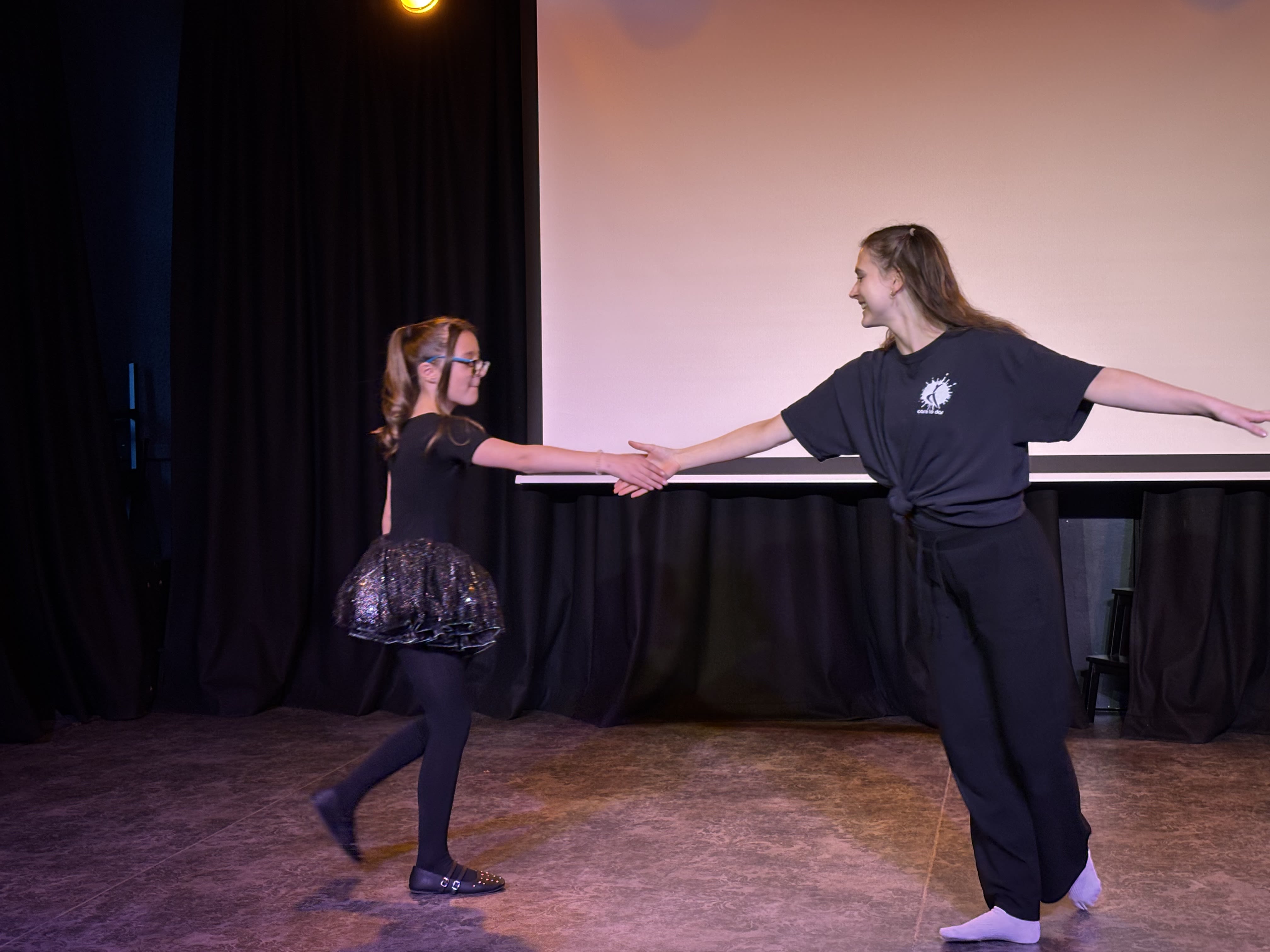
Bringing the three Rs into the dance space: Regulate, Relate, Reason
These three principles are core to our trauma-informed approach and can be seamlessly woven into dance teaching. We discuss more about each R in our CPD training, including specific strategies you can use to help them move through these.
- Regulate: Dance can help to regulate the person through connecting their body and body.
- Relate: Building relational safety helps to calm the body and the brain. Consistency and kindness build trust, especially for those who’ve experienced relational instability.
- Reason: Once a young person feels safe and connected, they can begin to reason, to process, reflect, and respond. But this comes after regulation and relationship.
Trauma-informed practice means teaching in a way that recognises the whole person in front of you. When dancers feel safe, seen, and celebrated, they don’t just learn technique, they heal, they grow, and they thrive. Every class you teach has the potential to become a place of empowerment. And when we lead with compassion, the ripple effects are powerful.
Awareness and sensitivity: nurturing safe, inclusive dance spaces
Many dancers come into spaces carrying invisible stories. As dance teachers, you have a unique opportunity to be a consistent, compassionate adult in their lives, someone who sees them, believes in them, and creates space for them to belong.
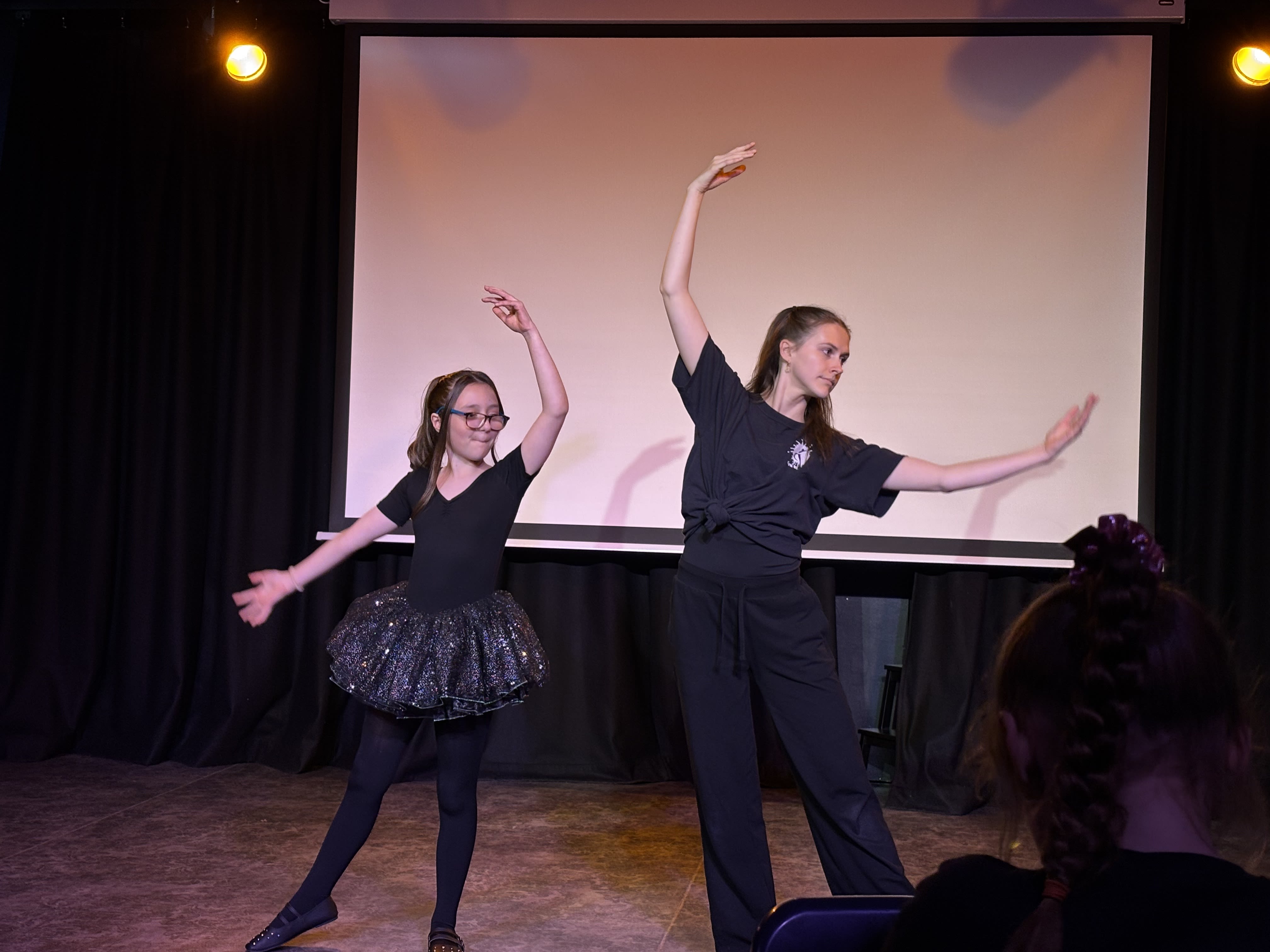



Being mindful of family dynamics
Not every dancer will have a parent or carer in the audience on exam or show day. Some might live in residential homes or move frequently between foster homes. These realities can evoke big emotions, shame, sadness, or isolation, especially in settings where others are being cheered on by proud families. As teachers, being sensitive to this means:
- Using inclusive language like “trusted adult” or “supportive grown-up” instead of assuming every child has “mum or dad.”
- Checking in gently before events and asking if they’d like someone in their corner and offering to be that person when needed.
- Celebrating every dancer equally, regardless of who is (or isn’t) in the audience.
Sometimes, just knowing that you will be there, clapping and smiling just for them, can mean the world.

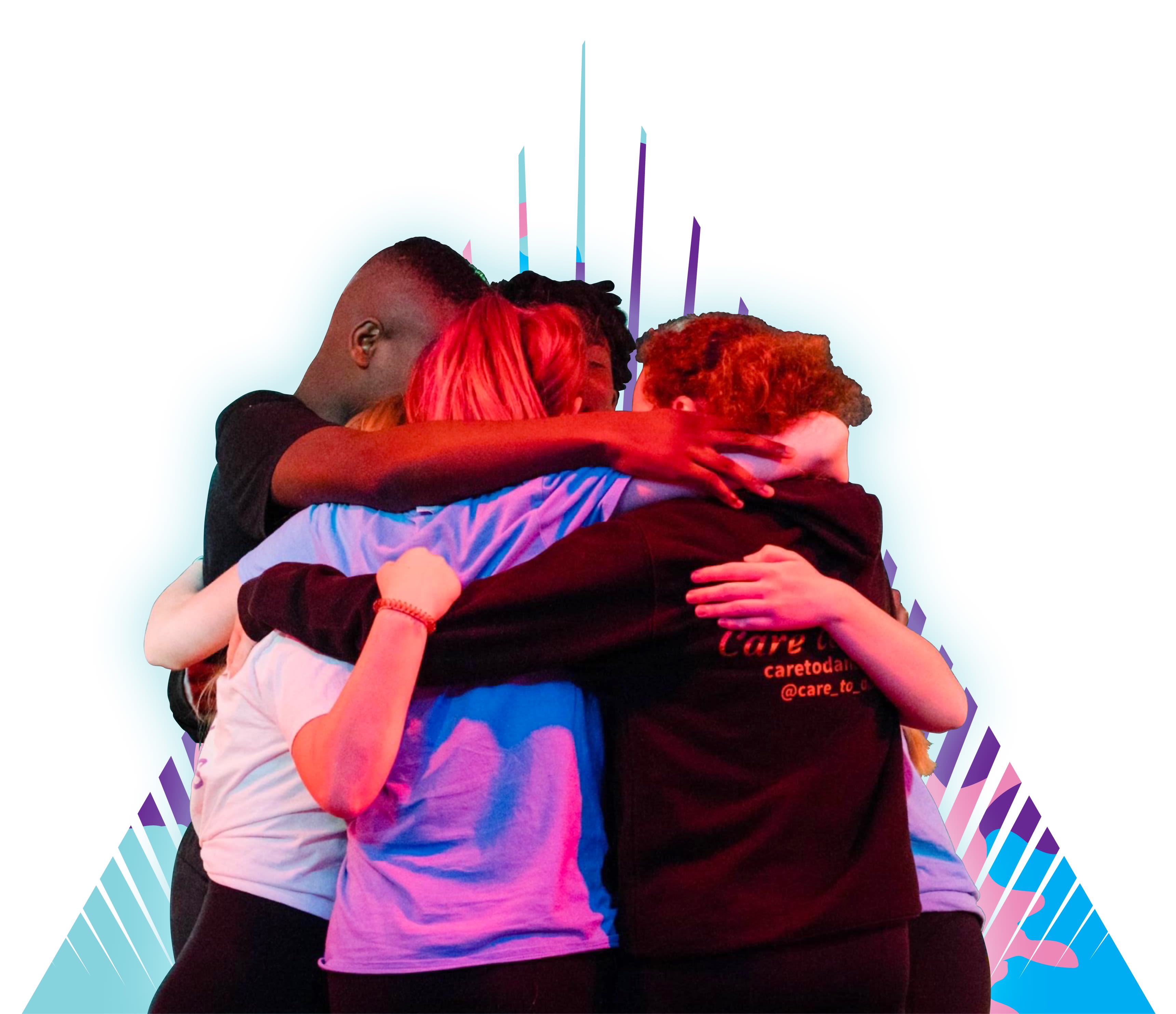

Supporting students with trust, boundaries, and physical contact
Trauma can shape how a young person experiences relationships. If they’ve learned that people leave, hurt, or reject them, it makes sense that they may struggle to trust, especially in environments that involve physical touch or performance-based pressure. These students often need more time, more patience, and more emotional safety before they feel ready to fully participate.
Children who’ve experienced trauma often become hypervigilant to the emotional states of adults around them. They’ll notice if you’re rushed, frustrated, or disconnected, even if you don’t say a word. Neutral expressions might be misinterpreted as disapproval. That’s why attunement matters, tuning into their unspoken cues and meeting them with kindness.
Putting principles into motion: practical tools and support for trauma-informed dance teaching
At Care to Dance, we believe that a trauma-informed culture is not just about what happens in the class, it’s about the values that shape the entire environment. It’s a commitment to centring empathy, safety, and belonging at every level of your practice or school. When these principles are truly embedded, they don’t rely on one individual, they become part of how your whole team communicates, plans, and supports every dancer who walks through the door. When trauma-informed values are part of the whole setting, young people don’t just attend, they belong.
Care to Dance offers follow-up resources after the CPD training. Should any practitioner or organisation be interested in facilitating a 1–1 reflective discussion to explore at depth how you might want to integrate trauma-informed practice across your context and settings, this can be offered with an additional charge. We want to be here to support you long-term, because embedding this work isn’t a tick-box exercise, it’s a journey.
Supporting students with trust, boundaries, and physical contact
Trauma can shape how a young person experiences relationships. If they’ve learned that people leave, hurt, or reject them, it makes sense that they may struggle to trust, especially in environments that involve physical touch or performance-based pressure. These students often need more time, more patience, and more emotional safety before they feel ready to fully participate.
Children who’ve experienced trauma often become hypervigilant to the emotional states of adults around them. They’ll notice if you’re rushed, frustrated, or disconnected, even if you don’t say a word. Neutral expressions might be misinterpreted as disapproval. That’s why attunement matters, tuning into their unspoken cues and meeting them with kindness.
Putting principles into motion: practical tools and support for trauma-informed dance teaching
At Care to Dance, we believe that a trauma-informed culture is not just about what happens in the class, it’s about the values that shape the entire environment. It’s a commitment to centring empathy, safety, and belonging at every level of your practice or school. When these principles are truly embedded, they don’t rely on one individual, they become part of how your whole team communicates, plans, and supports every dancer who walks through the door. When trauma-informed values are part of the whole setting, young people don’t just attend, they belong.
Care to Dance offers follow-up resources after the CPD training. Should any practitioner or organisation be interested in facilitating a 1–1 reflective discussion to explore at depth how you might want to integrate trauma-informed practice across your context and settings, this can be offered with an additional charge. We want to be here to support you long-term, because embedding this work isn’t a tick-box exercise, it’s a journey.
Creating belonging through dance: confidence, community and care for every student
Care-experienced dancers often carry complex histories of instability, loss, and disconnection, which can deeply impact their confidence and sense of belonging. ISTD teachers have a powerful role to play in helping these young people feel truly seen, included, and valued within the wider dance community.
How can we support inclusion?
Start by being aware that care-experienced dancers may not have the same support networks as their peers. They might not have someone cheering them on at a show or exam, so your encouragement, consistency, and warmth become even more important. Use inclusive language, avoid assumptions about family structures, and create spaces where every dancer feels they belong, no matter their background.
Building confidence and self-esteem
Dance can be a profound way for young people to reconnect with their sense of self. In this CPD, we’ll look at how teachers can gently nurture confidence and trust – both in the dancers themselves and in the spaces they move in. You’ll explore practical strategies such as:
- Strengths-based feedback and consistent praise to help dancers feel seen and valued.
- Inviting creative choice and ownership, restoring a sense of agency and identity.
- Celebrating progress over perfection, recognising that for some, simply showing up is a huge achievement.
- Being a steady, encouraging adult, someone who notices potential and believes in them.
This session goes beyond technique – it’s about how your presence, language, and approach can transform dance into a tool for rebuilding confidence and self-esteem.
The role of performance in healing
Performance opportunities can be deeply empowering for care-experienced dancers when handled with sensitivity. Being seen and celebrated in a positive light can challenge internal narratives of shame or not being ‘good enough.’ But it's essential to prepare them well, emotionally and practically, and to check in about how they feel before and after. Some may need extra reassurance or flexibility. Others may want you to be their number one cheerleader in the audience.
Ultimately, when we lead with care, inclusion, and understanding, we don’t just improve dance skill, we create spaces where young people can thrive, heal, and feel belonging.


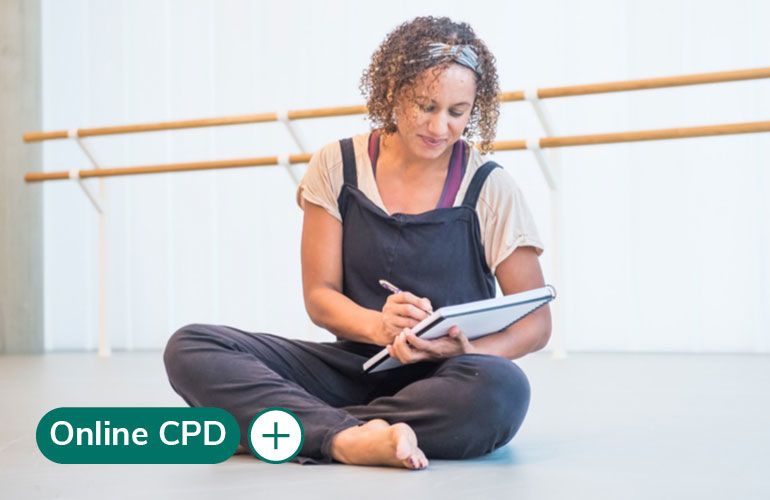

Join us for a vital CPD course designed to empower dance practitioners with trauma-informed knowledge and tools.
Led by Elizabeth Vecchione and Amelia Channon, this two-part training explores how trauma affects the body and behaviour – and how dance can support healing, regulation, and empowerment.
Part 1: Tuesday 3 February 2026, 10:30–12:00
Part 2: Tuesday 10 February 2026, 10:30–12:00
Online | 3 CPD hours total
Recording available for those who can’t attend live.
Whether you're already working with trauma-affected communities or looking to expand your practice, this course offers essential insights and practical strategies to create safer, more inclusive dance spaces. Why not take the next step in trauma-informed dance practice?
 Built with Shorthand