
Dancing through darkness
Martin Gould’s journey of healing, teaching and hope
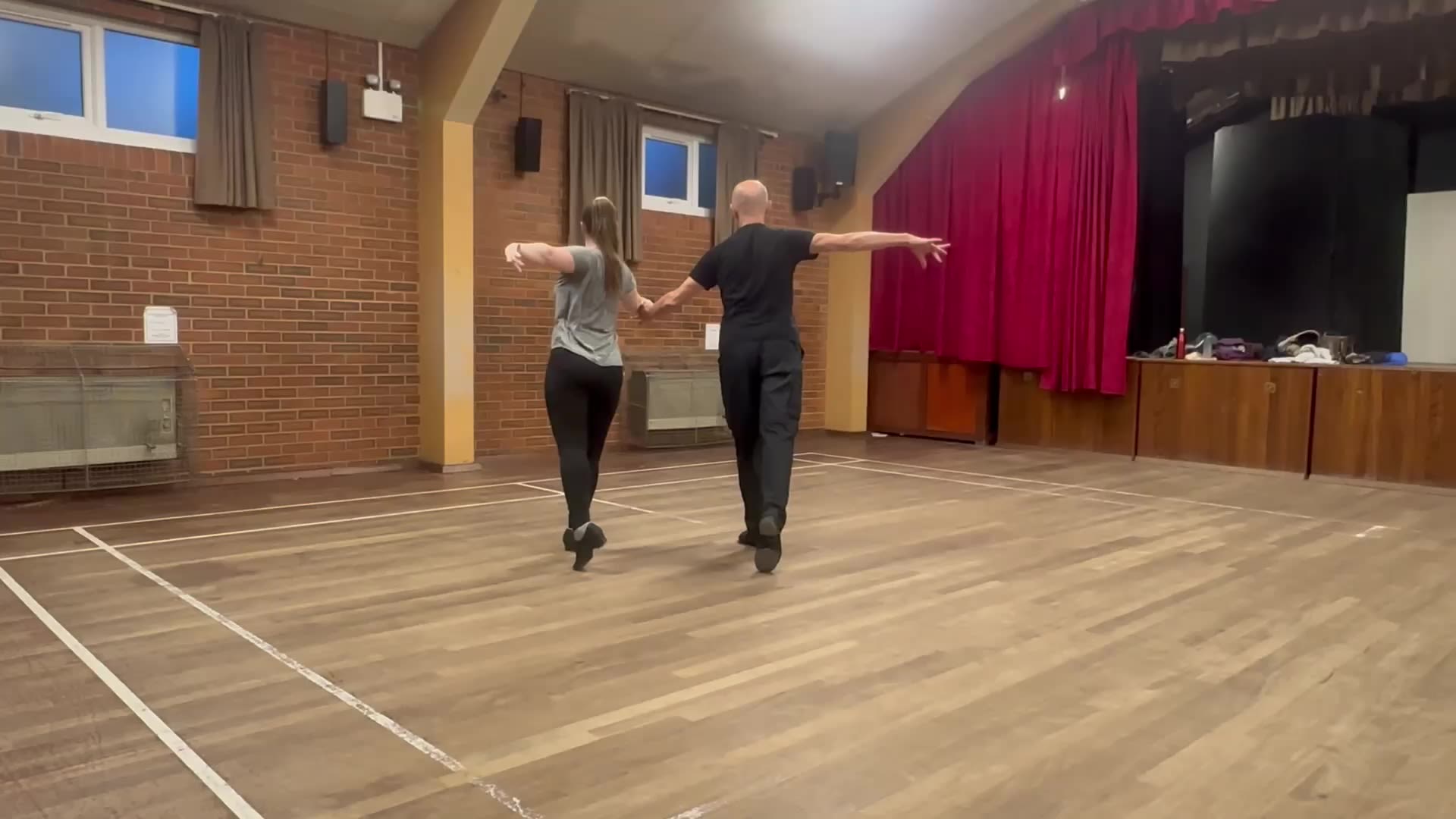


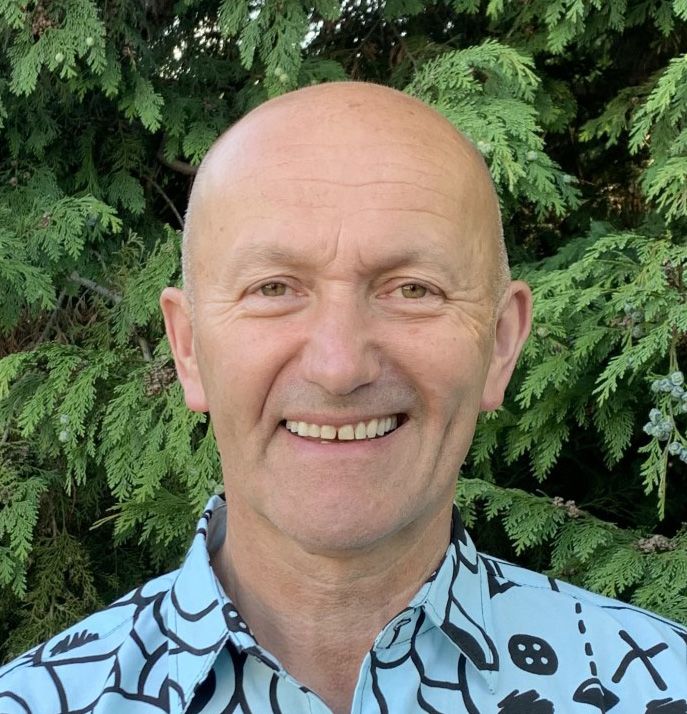
Martin Gould
Martin Gould
When Martin Gould began Ballroom and Latin dance as a hobby at age 50, he never imagined it would become a lifeline – not just for himself, but for others navigating grief and depression. A former engineer, builder, schoolteacher and police officer, Martin’s path to becoming an ISTD-qualified dance teacher was unconventional, but deeply inspiring.
Supported by the Phyllis Haylor Scholarship during Covid restrictions, Martin earned his Licentiate in Ballroom – adding to his Associate Latin – and now mentors new teachers through New Life Dance. He runs the school with Elaine Harrison, with support from Imogen Walls, who recently qualified with the ISTD.
Following the tragic loss of his brother to suicide, Martin launched New Beginnings – a series of no-profit Sunday evening dance classes designed to support those affected by suicide. His work echoes the values of ISTD President Shirley Ballas, whose own advocacy for suicide prevention through the charity CALM is rooted in personal loss. Together, their stories highlight how dance can offer not just movement but meaning – and how ISTD qualifications can empower teachers to make a difference far beyond the studio.
"In the end, dance is more than movement. It is joy, connection, and growth – a celebration of what we can achieve together."
A late start, a lifelong passion
“I was introduced to Ballroom and Latin dancing by someone I was seeing at the time. The dancing survived but the relationship didn’t.”
Martin’s early career spanned engineering, teaching and even television presenting as an on-screen DIY expert for Mersey TV. Each role shaped his approach to dance: “School teaching helped me gain confidence in front of groups and understand how people learn. Engineering gave me analytical skills – Ballroom can be very technical.”
His motivation? “Helping other people to have happier, more fulfilling lives.” Today, Martin trains students for ISTD medallist exams and enjoys the social side: “After exams, we end the day with a group meal and drinks – it’s about belonging.”
“Dance isn’t just artistic – it’s technical. Engineering and analytical skills work very well with that understanding.”

From medallist to mentor
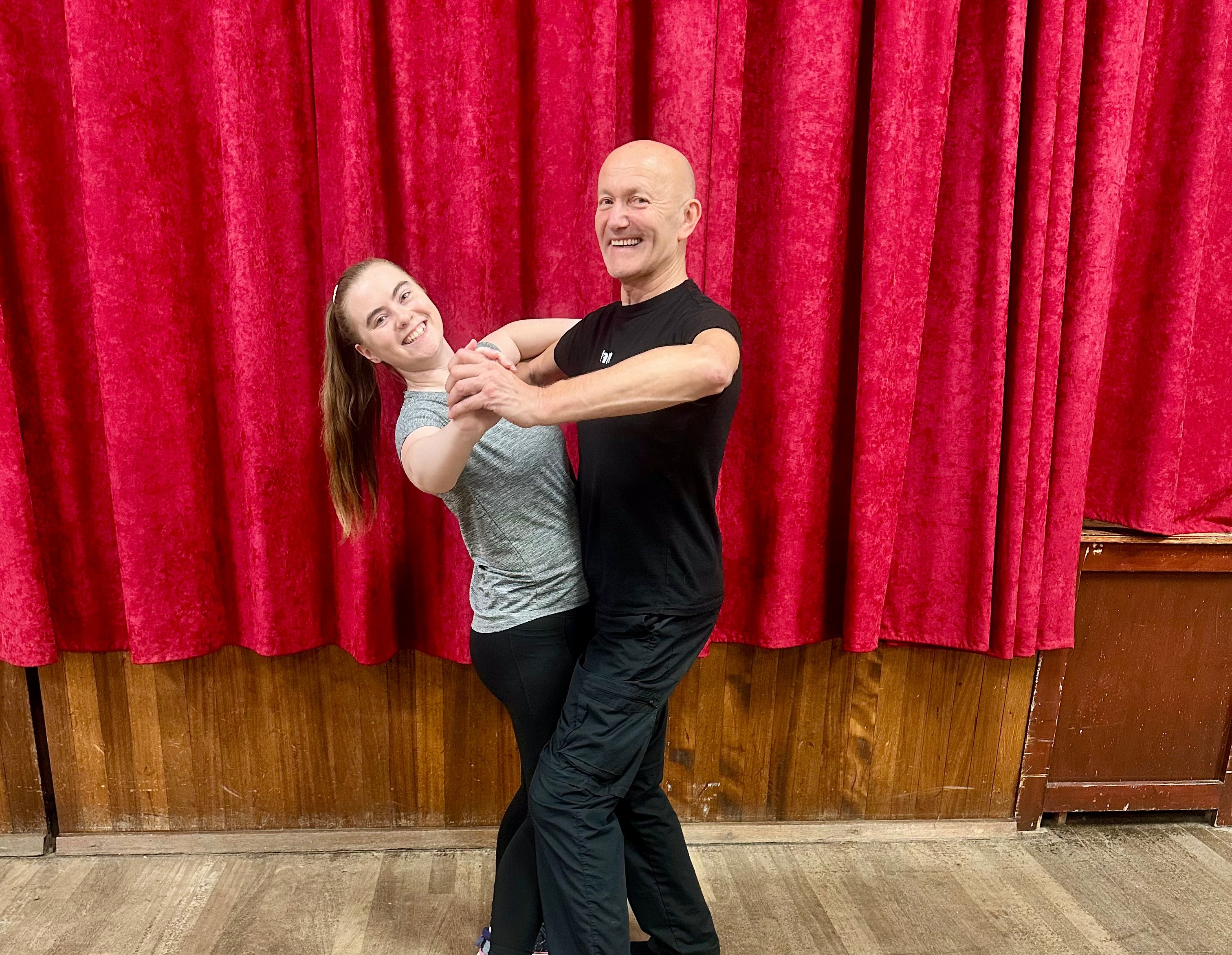
After competing in ISTD medallist competitions, Martin realised professional exams were the next step. “ISTD teacher Sam Vize suggested taking exams and trained me, which led to starting a dance school. I haven’t looked back.”
Winning the ISTD Phyllis Haylor Scholarship in 2021 was pivotal: “An amazing uplift after the flattening of in-person teaching during Covid. The £2,000 helped me train for Licentiate exams with Malcolm Hill-Close, ISTD Head of Dancesport Qualifications. His knowledge and humour have been invaluable.”
Martin now trains new teachers: “Helping someone fulfil an ambition they discovered through dance is the most rewarding thing I’ve done.”
“You don’t lose something by giving to others. We all gain by helping people.”
Healing through dance
Tragedy struck in August 2023 when Martin’s brother ended his life. “My brother had been depressed for years and talked of not wanting to go on. Knowing what that could mean, I dreaded that day and now experienced the terrible shock of it.” Supported by Amparo, a suicide bereavement charity, Martin decided to give back: “We ran no-profit weekly Sunday evening classes for three months to support those affected by suicide.”
The classes offered more than steps: “Feedback was that dancing helped – sometimes by taking minds off loss, even for a while. Learning something new started to shine a light on a way forward.” Bianca Kirby, a bereavement counsellor psychotherapist with Amparo, along with Imogen Walls, helped during the classes: “Especially poignant as I was recovering from the effects of a nasty dance related knee injury – highlighting the real need to train new teachers.”
Imogen Walls went above and beyond, even stepping in to dance with students during exams after Martin’s injury, and later achieving exceptional professional marks herself.
“When someone close ends their life, you can’t turn back time – but you can alter the future and help others.”

Social prescribing and the power of dance
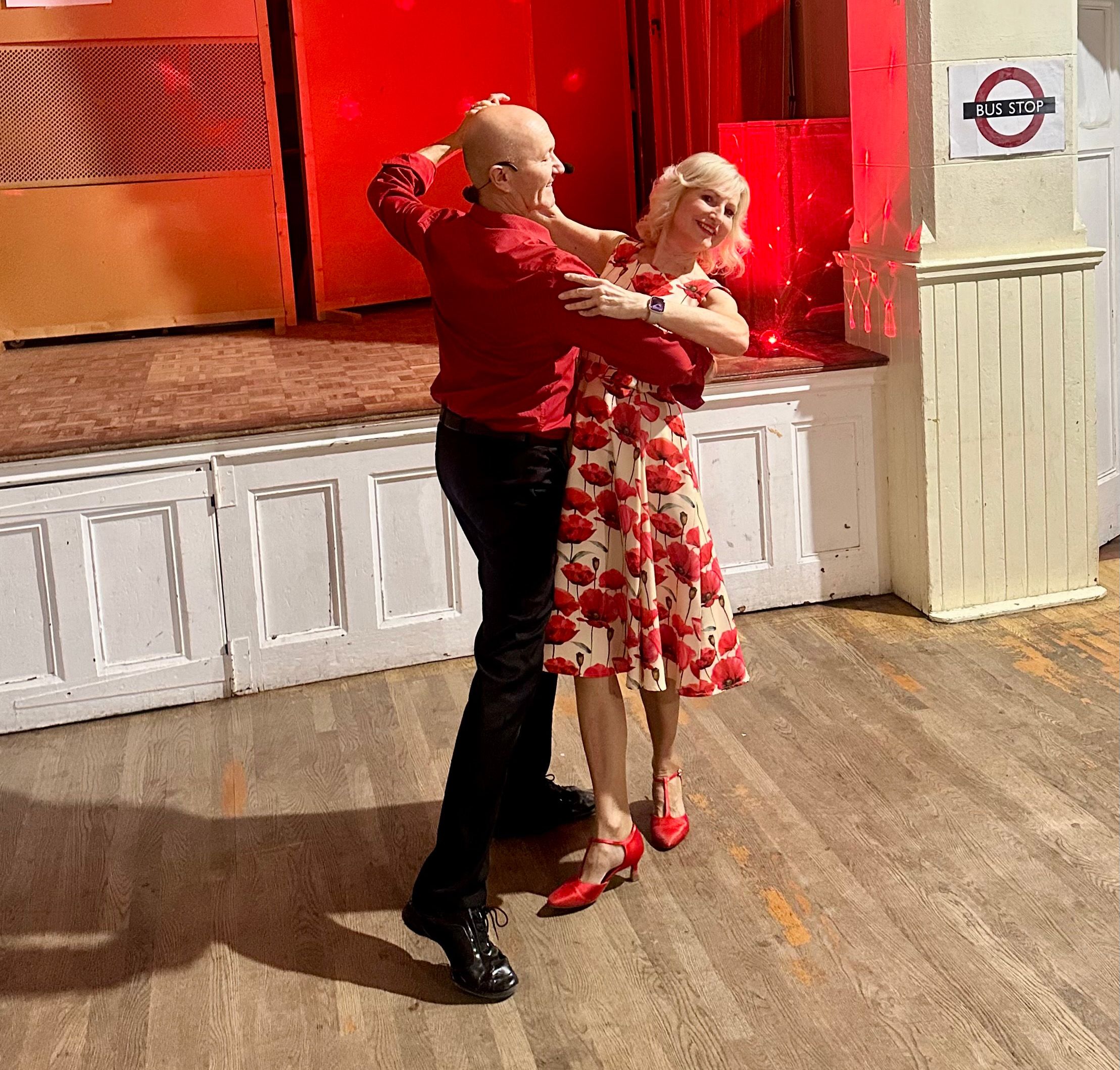
Martin believes dance should be part of mental health support: “A GP faced with a patient suffering depression may feel their only option is medication. Social prescribing offers another way.”
Dance provides connection, confidence and joy: “We can make a big difference by offering free or sponsored classes through GP surgeries or support organisations. We won’t lose anything by having extra people in a class – and we may even save a life.”
“Dance can help release pent up trauma and feelings of loss through movement and expression. It increases social connection and a feeling of belonging. Learning moves and routines can give someone a break from their spiraling thoughts and regrets, especially as their mind may be fully occupied in that moment learning a new physical skill.”
“Dance is an antidote to loneliness. The more people take it up, the better.”
Looking ahead
Martin hopes to expand New Beginnings into social prescribing: “Our classes already support individuals through difficult times. I’d love ISTD members to explore ways to help more people within their existing framework.”
His advice? “Take a look at your teaching week and see how you can help. Speak to local GP surgeries, offer vouchers, ask hall managers for reduced rates. Dancing is our passion – let’s use it to make a difference.”
“It’s not what you take, it’s what you give to others.”

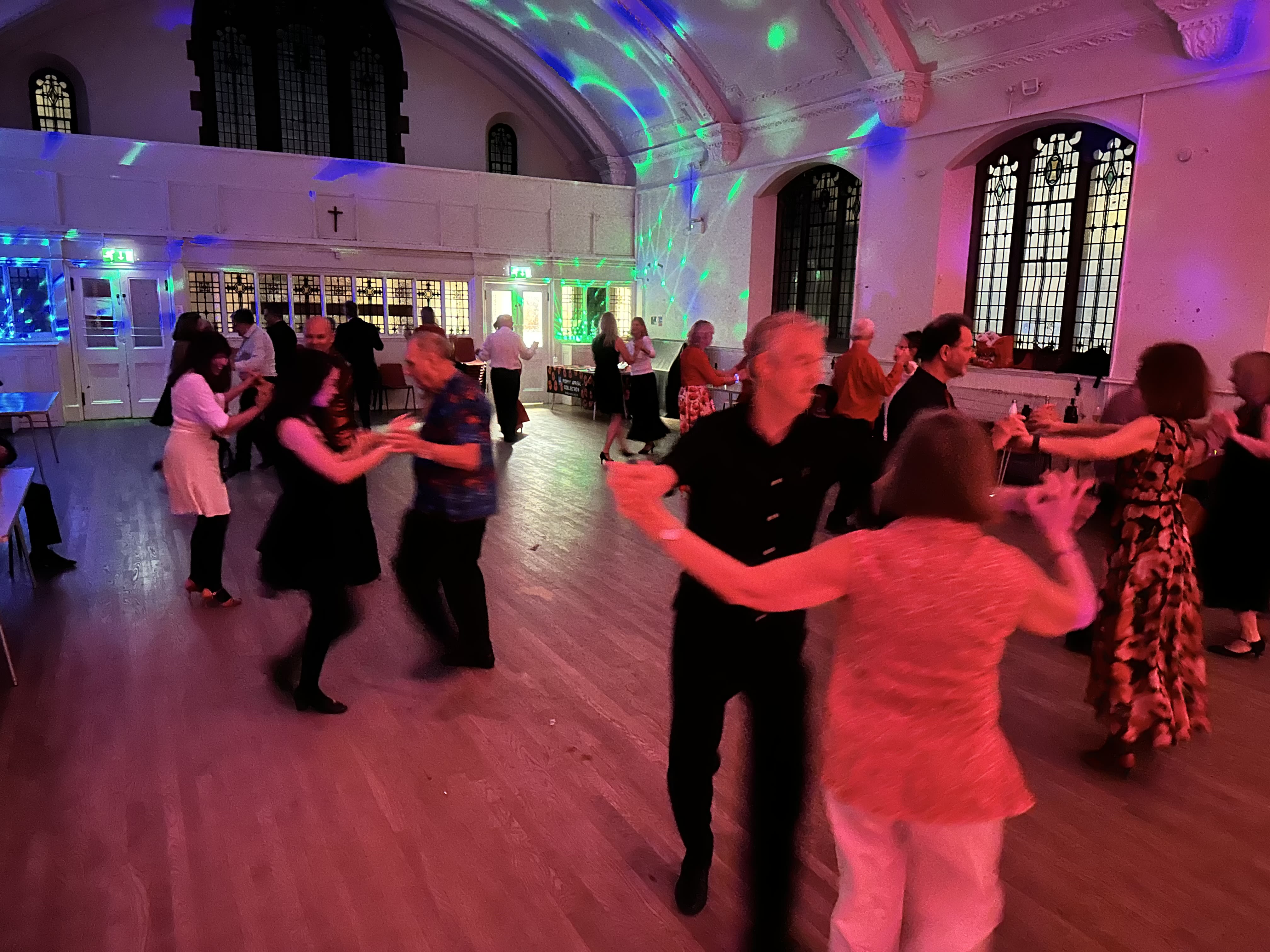
Martin’s checklist for ISTD teachers
Are you interested in supporting mental health through dance teaching?
- Offer accessible classes. Run free or low-cost sessions for those affected by loneliness, bereavement, or depression.
- Partner for social prescribing. Contact local GP surgeries or community groups to provide dance vouchers as an alternative to medication. It might be that local businesses would be willing to sponsor individual dance passes or even a regular social dance class.
- Create a welcoming community. Encourage social time after classes (e.g., tea breaks or informal gatherings).
- Plan and review. Make a 6-month plan for mental health support and check progress regularly.
- Collaborate with venues. Ask halls or churches for reduced or free hire for wellbeing-focused classes. My experience is they are very willing to help support local good causes.
- Train helpers. Develop trainee teachers who can assist and ensure continuity.
- Promote dance benefits. Highlight how dance reduces isolation, boosts confidence, and offers emotional release.
- Give generously. Add a few free places in regular classes – helping others often grows your community.

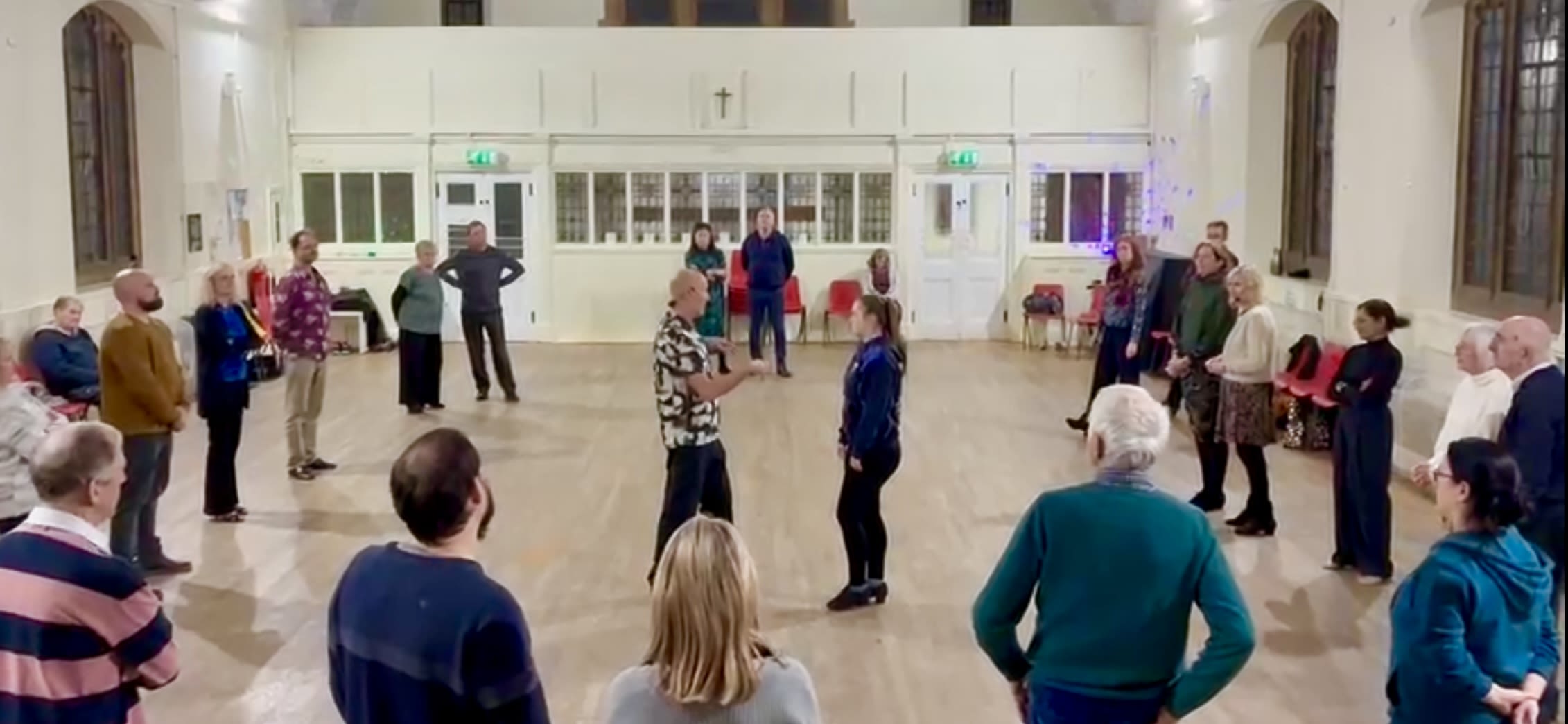
New Life Dance
New Life Dance
"Thanks to you both, I am now able to stand up and dance amongst the good friends we have made within the group and that, to me, is the greatest thing I could have ever wanted."






 Built with Shorthand