
Step Up to Success
Championing the power of dance exams


Exams provide a structured pathway for students to grow, combining technical skill with artistry and discipline. To explore how ISTD exams shape careers, we spoke to Theatre and Dancesport industry experts Shirley Ballas, Matt Cole, and Leanne Kirkham.
Shirley Ballas: a journey built on technique

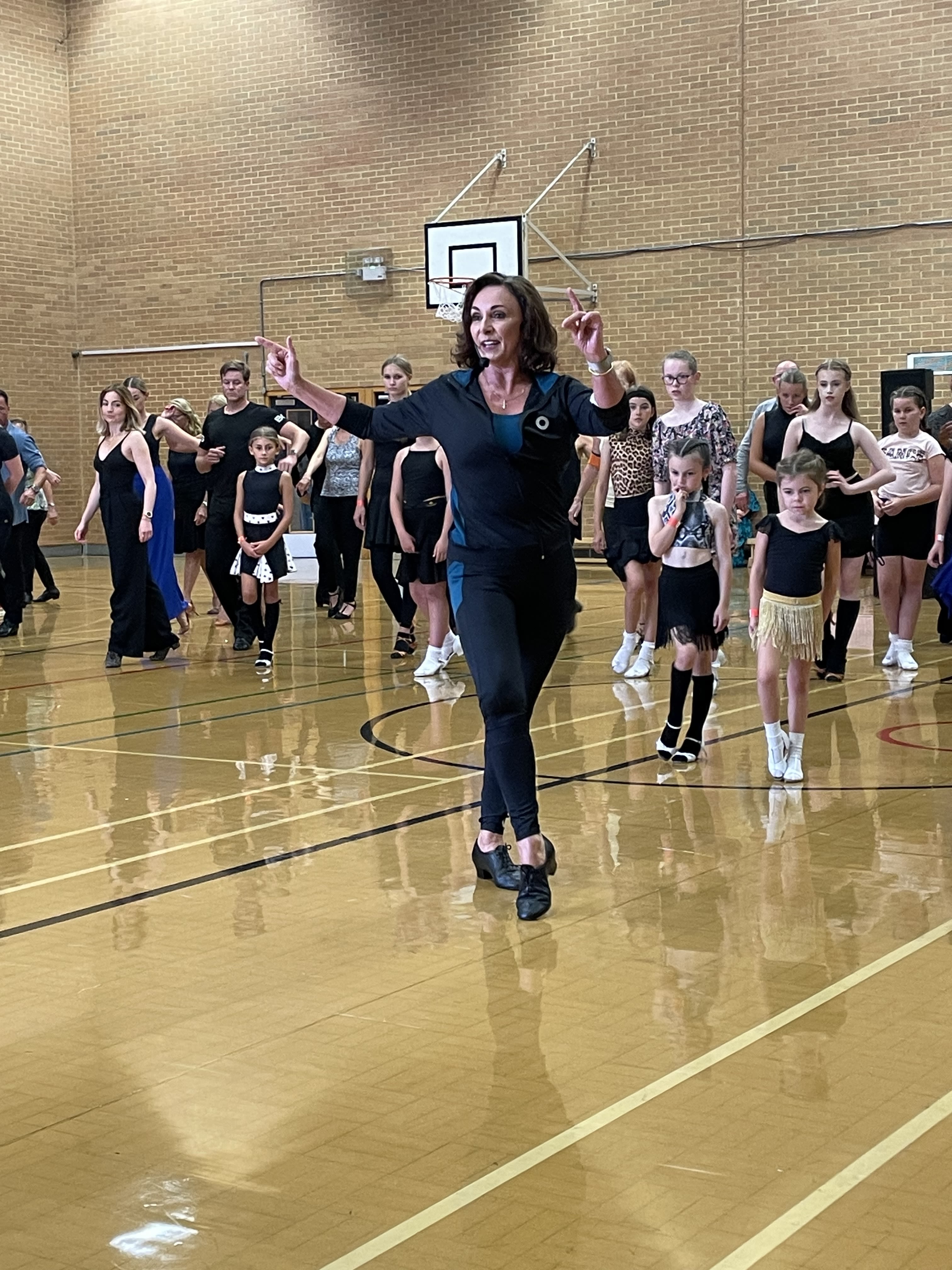


Shirley Ballas
Shirley Ballas
“The ISTD examinations built me to be the person I am.”
Shirley Ballas, International Latin Champion, Head Judge on BBC’s Strictly Come Dancing and President of the ISTD, credits exams for her success.
“As a child from seven years old, I used to do my examinations within the Imperial Society. We were graded up to 100%, and I would always be in that 95% bracket. That grading system encouraged me from a very young age to know my technique thoroughly inside and out.”
She stresses that technical training is the foundation of professional achievement: “I wouldn’t be able to be the working professional that I am today if I hadn't taken my technical skills seriously. Without the quality of technique, you cannot possibly be of world championship status.”



Knowledge is power: advice for teachers and dancers
Shirley urges young performers to pursue every qualification – ballet, contemporary, International Latin and Ballroom – because “the more qualifications you have, the better the teacher you become.”
Her advice for aspiring teachers? “Any student teacher or teacher looking to go into the ISTD to teach or examine must study their trade – and then study it again. I first picked up a technique book at 16, and I'm still using it today.”
Inclusivity is central to her philosophy: “I believe every student, regardless of background, body type, ability, age, or experience deserves to feel that the studio is a space where they belong and can thrive.”
“Knowledge is power.”
Matt Cole: from beginner to Olivier Award winner




Matt Cole
Matt Cole
“Enjoy the process and trust the structure of your training.”
Matt Cole, winner of the 2023 Olivier Award for Best Theatre Choreographer, began dancing at 13 after a school trip to see Starlight Express.
“With no prior experience, my parents found the local Colne Bank School of Dancing, where I was the only boy and trained under Jenny Overton in Ballet, Tap, and Modern. I followed the ISTD syllabus from Grade 4 Ballet and later progressed to Laine Theatre Arts, where I completed my Advanced 2 in Modern and Ballet and gained my Ballet teaching qualification.”
He credits ISTD exams for providing a structured, progressive pathway: “Each grade built systematically upon the previous one, reinforcing precision, placement, and strength.”
Milestones and lessons learned
Matt recalls his first ISTD exam fondly: “My fondest memory is of my first ISTD exam, Grade 4 Ballet. That exam marked the first time I truly felt part of the dance world. The sense of accomplishment from passing was immense and gave me the confidence to pursue more advanced levels.”
His advice to young dancers: “Pay attention to your teachers’ feedback – it’s often the small corrections that make the biggest difference. Approach each exam not just as a test, but as a performance opportunity to showcase your growth. Remember that artistry is as important as technique; let your personality and musicality shine through.”
Leanne Kirkham: the lifelong value of qualifications

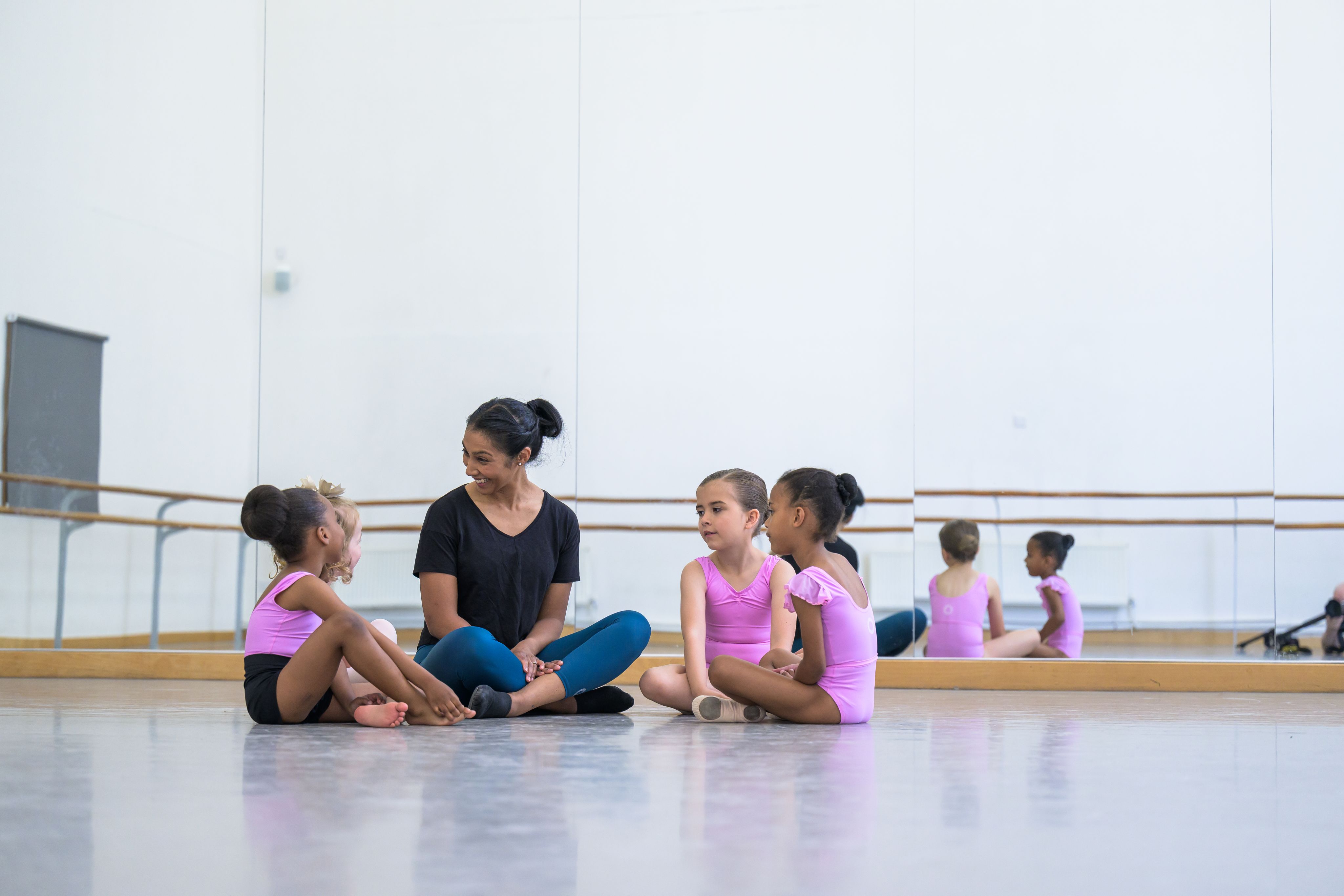


Leanne Kirkham. Photo by Emily Nuttall
Leanne Kirkham. Photo by Emily Nuttall
“One of the best things you can do throughout your career is invest in yourself.”
Leanne Kirkham, ISTD Trustee and Director of Academy Operations & Learning at Northern Ballet, began her journey under ISTD fellows Ruth and Joan Langley.
“I studied ballet, tap and modern through ISTD grades until the age of 16. I then attended Performers College, where I completed my Advanced 2 ISTD examinations and my Associate teaching qualifications.”
After performing professionally in productions like 42nd Street, Leanne transitioned to teaching: “What I love and respect about ISTD syllabi and examinations is that they provide unwavering dedication to the quality of dance teaching – safe, progressive and relevant.”

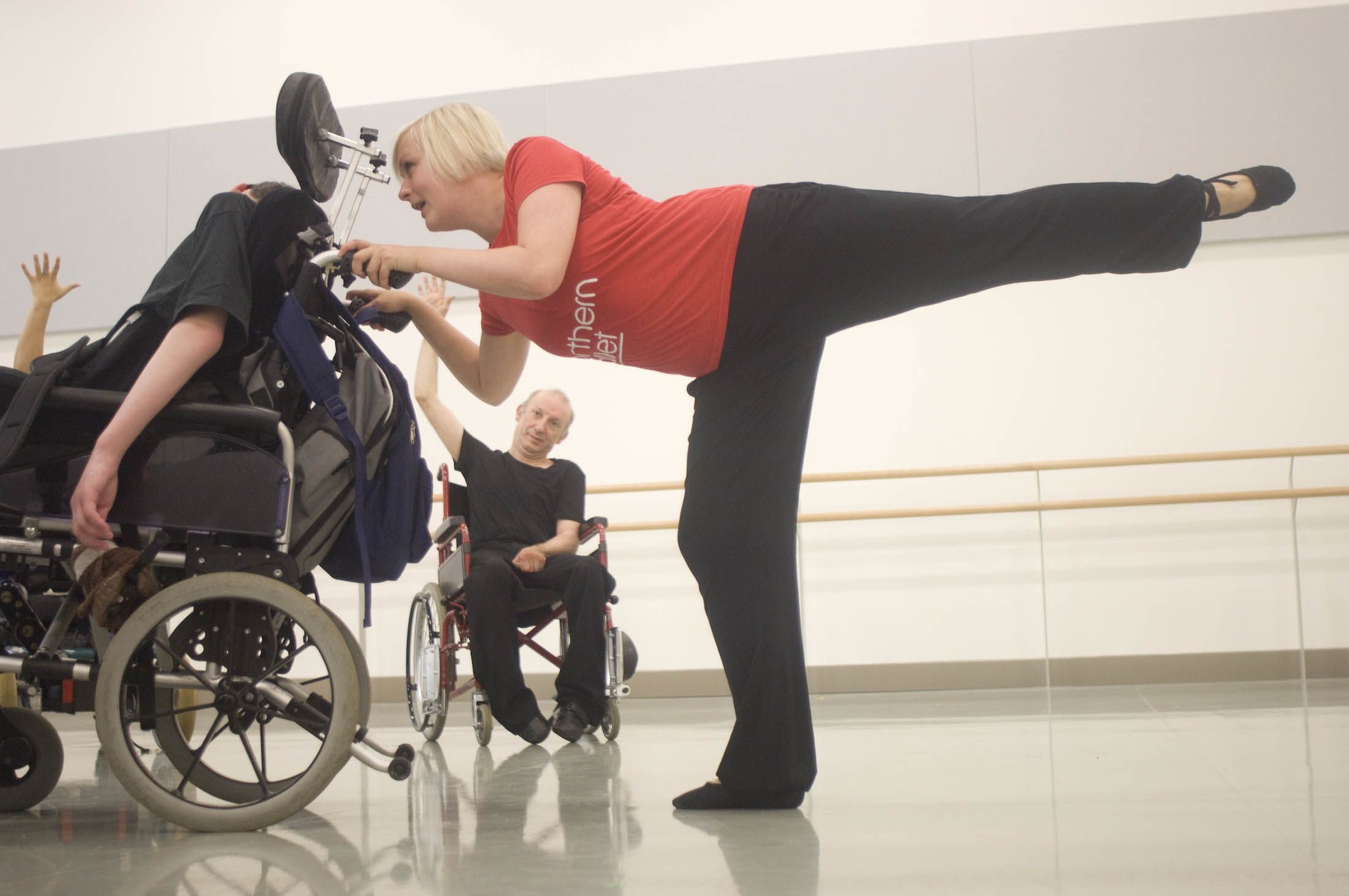
Leanne Kirkham at Northern Ballet. Photo: Tim Smith Photography
Leanne Kirkham at Northern Ballet. Photo: Tim Smith Photography
Why exams matter for teachers and performers
Leanne emphasises the importance of exams for both dancers and teachers: “To those young people with dreams of being a professional dancer, keep going; remember your worth, and figure out what sets you apart. To those considering a teaching career, every lesson you've learned will support you to be the best teacher you can possibly be.”
Preparing young dancers for success at every level: “Young people taking ISTD exams can be confident the work is developed with utmost integrity by industry professionals who know what it takes to reach – and stay at – the top. ISTD’s ongoing investment in diverse genres means today’s dancers can study styles like Street and Contemporary, helping them build versatility in an ever-competitive sector.”
Leanne values ISTD’s commitment to lifelong learning: “The examinations gave me a sense of achievement, and the ongoing CPD offered through my teaching membership gave me some of the most enriching professional development.”
Celebrate success and share your story #StepUpToSuccess


These voices from across the dance world show how ISTD exams provide more than just technical training – they build confidence, resilience, and a lifelong love of learning. We invite our members to share their own stories and celebrate the achievements of their students. Tag us in your social media #StepUpToSuccess

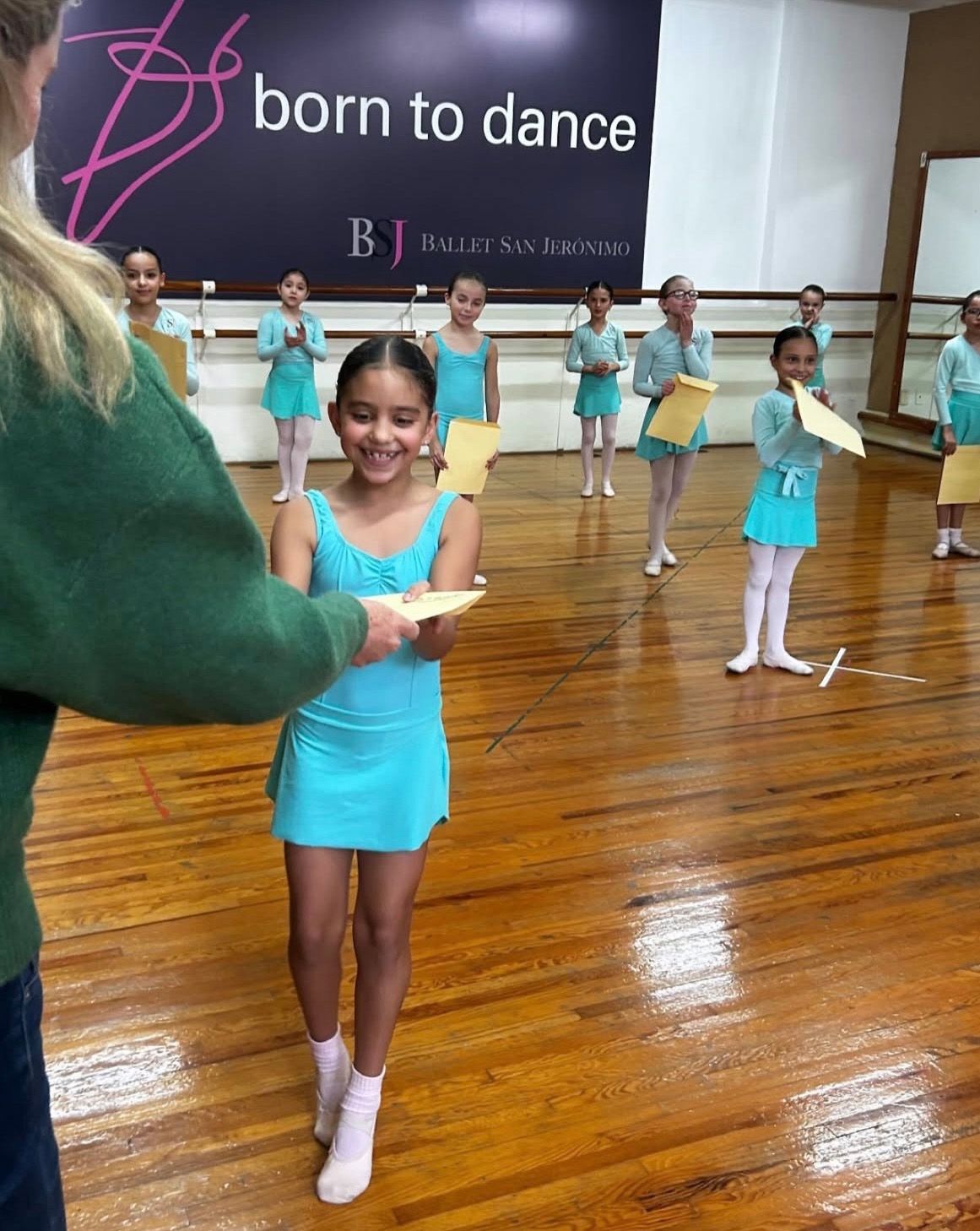
ISTD students receiving their certificates at Ballet San Jeronimo in Mexico
ISTD students receiving their certificates at Ballet San Jeronimo in Mexico
Class Examinations and Medal Tests
In addition to our graded exams, ISTD offers additional creative pathways for dance students. These options give students the freedom to explore creativity, build confidence, and progress at their own pace.
Class Examinations offer a non-regulated, studio-based alternative to traditional exams, available in Classical Ballet (Cecchetti and Imperial methods), Classical Greek, Modern Theatre, and Tap Dance. They focus on technical and artistic development, safe dance practice, and integrate seamlessly with graded syllabus work – ideal as a stand-alone programme or part of a broader progression.
Medal Tests provide an exciting way to celebrate achievement across a wide range of styles, including Cecchetti Classical Ballet, Classical Greek, Country and Western, Disco Freestyle, Jazz, Latin American, Modern Ballroom, National Dance, Rock n Roll, Sequence and Tap Dance.
Plus, find out more about the ISTD's new Performance Awards coming soon in 2026, which offer a fresh and flexible approach – without the pressure of set choreography or syllabus requirements.
Step Up to Success: Examiners and teachers share the power of dance exams

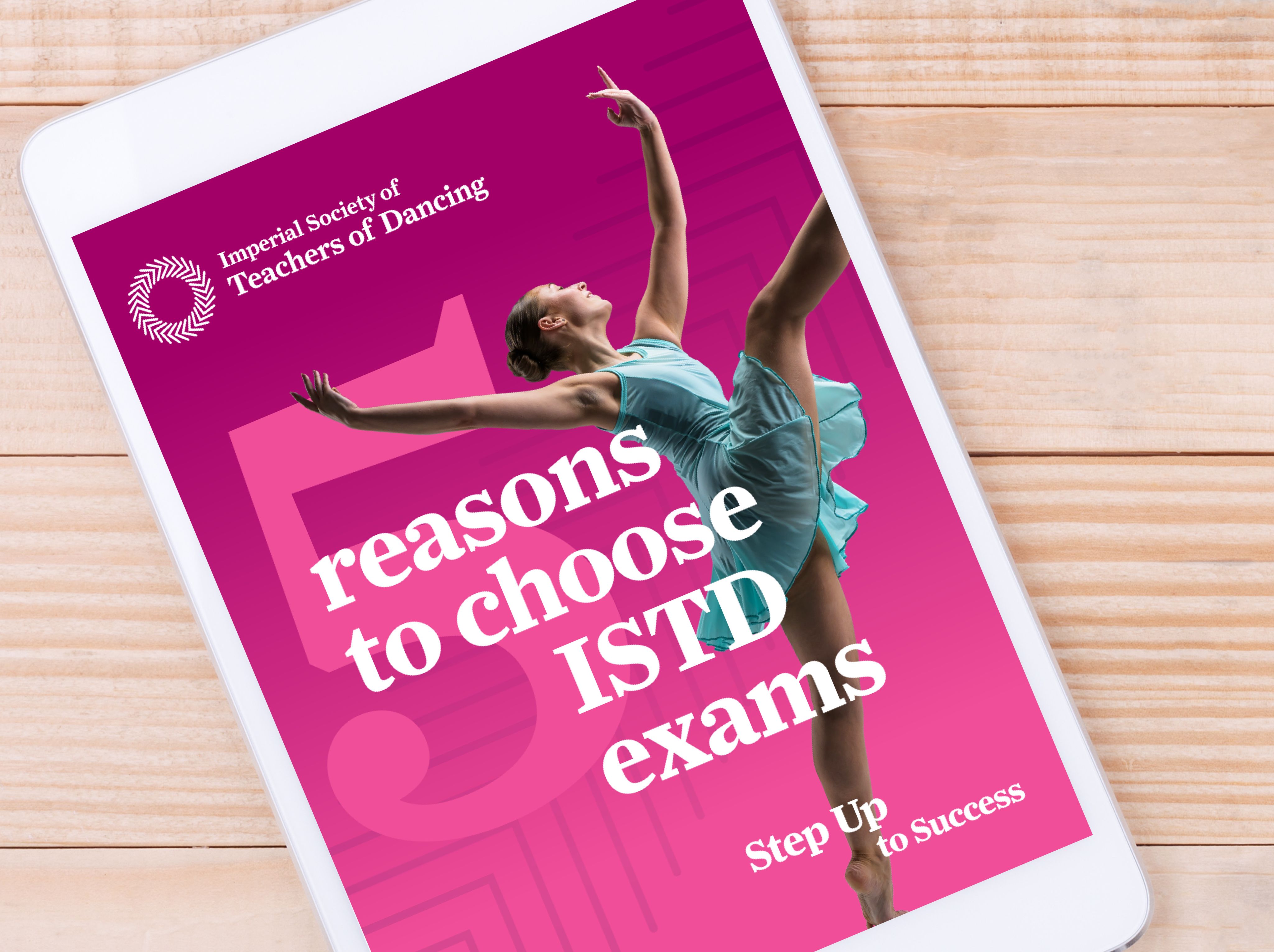


Promote the value of exams
To help you promote the value of examinations, you can access a range of resources including posters, case study films, leaflets, postcards, and editable social media templates. Use these tools to encourage your students and wider networks to take ISTD examinations and experience the transformative benefits of structured dance training.
 Built with Shorthand